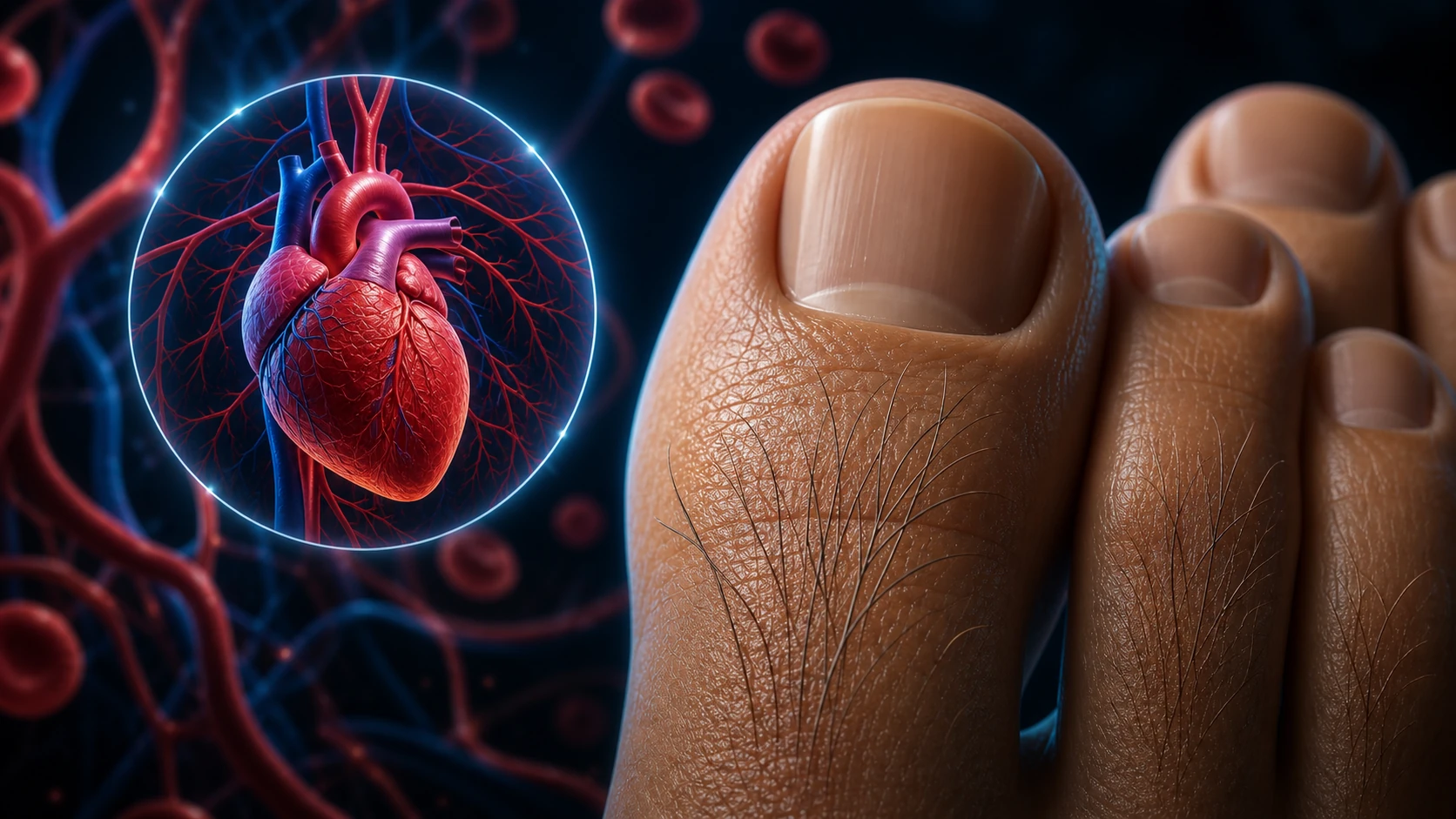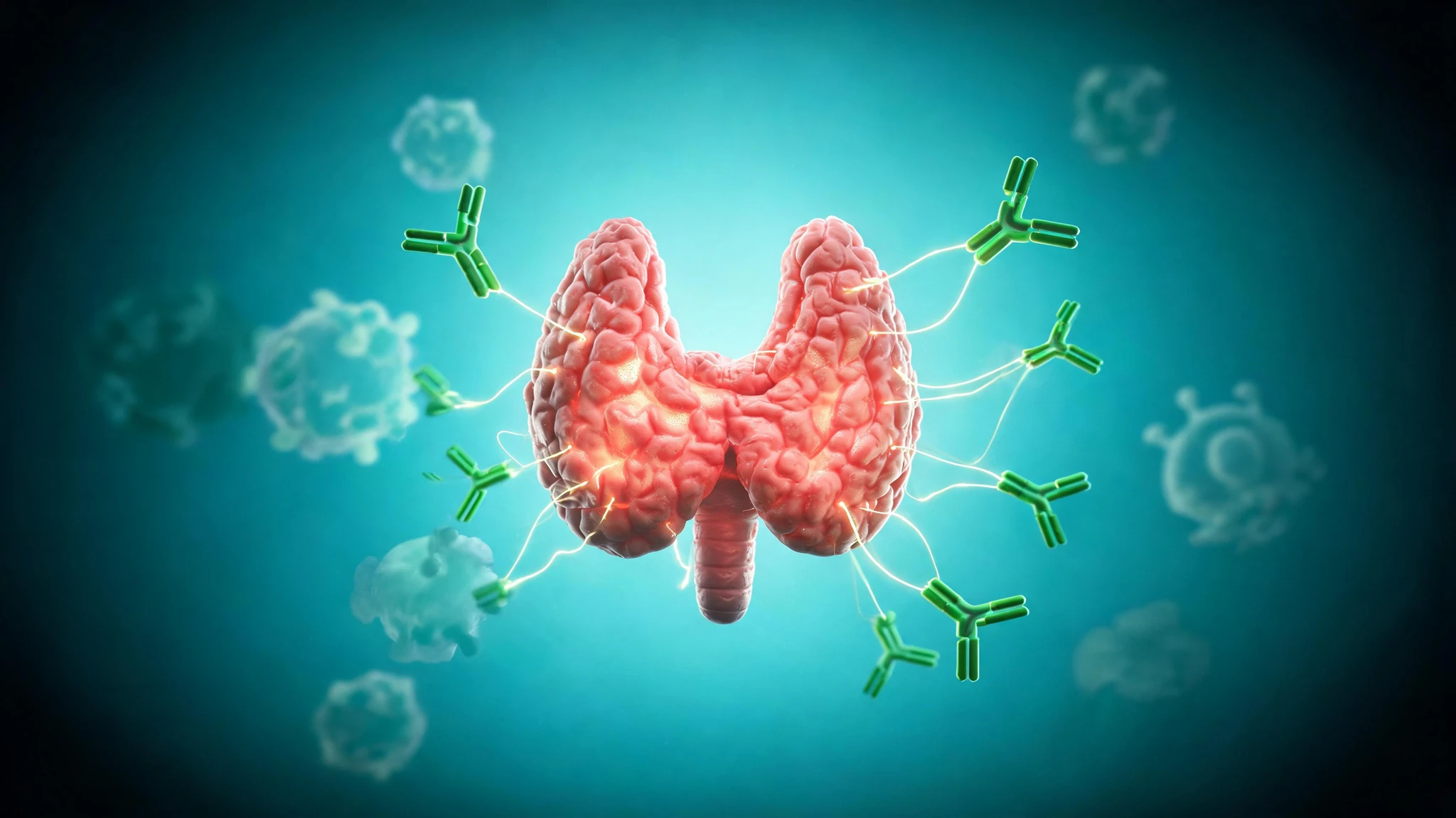
Saying yes when you mean no is not just an awkward social tic. A 2008 review in Autoimmunity Reviews by Stojanovich and Marisavljevich linked chronic psychological stress to the onset and worsening of autoimmune disease, and noted that as many as eighty percent of patients in some series report unusual emotional stress before disease flare-up.1 The same family of stress-immune findings shows up in a meta-analysis by Segerstrom and Miller covering thirty years of research, which concluded that long-running stressors are the type most likely to dysregulate the immune system.2
People-pleasing, the habit of suppressing your own preferences to keep someone else comfortable, is one of the most common ways modern adults stay in that long-running stress state without naming it. It is not the same as kindness. Kindness has a return address. People-pleasing usually does not.
What the body actually does when you say yes you didn’t mean
The short version: it gets ready to fight or run, and then it doesn’t. The fight-or-flight pathway moves cortisol and adrenaline into the bloodstream within seconds of a perceived threat. A boss frowning at your work counts. So does a friend asking for a favor you do not want to give. The system is exquisitely sensitive and fairly indifferent to whether the threat is a saber-toothed tiger or a passive-aggressive group chat.
If you do this once, recover, and move on, the system resets. If you do it most days for years, the resetting stops working as well. Cortisol stays mildly elevated. Sleep gets shallower. Inflammatory markers creep up. Segerstrom and Miller, reviewing nearly three hundred studies, found that the immune-suppressing effects of stress were strongest and most consistent for chronic stressors that had no clear endpoint, the kind that map almost exactly onto a life of habitual self-silencing.2
Why the autoimmune link gets attention
Autoimmune disease happens when the immune system, which is supposed to attack invaders, attacks the body’s own tissue. Hashimoto’s thyroiditis, lupus, rheumatoid arthritis, psoriasis, type 1 diabetes, multiple sclerosis. They differ in which tissue gets hit and how aggressively, but they share a pattern of misdirected immune activity.
Stojanovich and Marisavljevich’s review pulled together evidence from clinical case series and animal models showing that periods of intense or prolonged stress preceded the onset of several autoimmune conditions, and they argued that stress hormones can shift the immune response in ways that favor autoimmune flare.1 The review is careful: stress is named as a contributor and trigger, not the sole cause. Genetics, infections, and environmental exposures still do most of the heavy lifting. But the mind is not weather happening to a separate machine. It is part of the machine.
That is the thread the people-pleasing claim pulls on. If chronic stress can plausibly nudge an already-loaded immune system toward autoimmunity, and if a particular personality pattern reliably produces chronic stress, then that personality pattern becomes a soft risk factor worth taking seriously.

Is people-pleasing really chronic stress?
Researchers usually do not use the phrase “people-pleasing” in a journal article. They study related constructs: sociotropy, self-silencing, unmitigated communion, anxious attachment, and the broader category of high interpersonal stress. The findings rhyme. People who chronically subordinate their preferences to keep relationships smooth report more depressive symptoms, more anxiety, more sleep complaints, and higher rates of stress-related physical symptoms than people who do not.
Slavich and Irwin’s 2014 social signal transduction theory of depression, published in Psychological Bulletin, traced one mechanism for this. They argued that perceived social threat, including the threat of rejection or social devaluation, activates the same inflammatory pathways that infection does, and that repeated activation of those pathways is one route from social stress to depression and to the cluster of physical illnesses that travel with depression.4 Their model is specifically about how interpersonal threat becomes inflammation. People-pleasing is, in many cases, a strategy for keeping interpersonal threat at bay. It works in the short term. It seems to leak into the body in the long term.
The cortisol problem
Cortisol gets a bad reputation it does not entirely deserve. In the right amounts, at the right times of day, it is part of how you wake up, fight off infections, and recover from exercise. The problem is not cortisol. The problem is cortisol at the wrong level, for too long.
One of the most cited studies on chronic stress and infection, by Cohen and colleagues at the Common Cold Unit in Salisbury, exposed nearly four hundred volunteers to a respiratory virus and tracked who got sick. People reporting higher chronic psychological stress in the weeks before exposure were significantly more likely to develop an infection.3 The dose-response shape was tidy. More stress, more colds. The mechanism the authors proposed, and that has held up since, runs through stress hormones blunting the immune response that would normally clear the virus before it took hold.
Apply that logic to a year-long pattern of agreeing to commitments you resent, dampening your reaction when someone crosses a line, and rehearsing apologies for things you did not do, and you get a plausible mechanism for why people who score high on people-pleasing measures often describe themselves as catching every bug going around.
What makes this slow drip especially hard to notice is that none of it feels like an emergency. There is no single yes that breaks anything. The body adapts. Heart rate variability narrows a little. Morning cortisol takes a little longer to taper. You get used to a baseline of tightness in the jaw and shoulders that you would not have tolerated five years ago. By the time a doctor names a condition, the stress was usually already the wallpaper, not the event.
The brain piece
Chronic stress also seems to remodel the brain over time. Functional imaging studies of people with high anxiety and chronic interpersonal stress show heightened amygdala activity, weaker top-down regulation from the prefrontal cortex, and reduced volume in the hippocampus. None of those changes are unique to people-pleasing, but they are consistent with what would happen if the threat-detection system stayed on too long.
The amygdala is the brain’s smoke alarm. When it is sensitized by years of low-grade social threat, smaller cues set it off. The prefrontal cortex, which would normally say “this is a coworker asking about a deadline, not a tiger,” fatigues. The hippocampus, which depends on stable cortisol rhythms to consolidate memory, loses ground. People in this state often say they feel foggy and reactive at the same time, and they are not imagining it.

Why women are flagged more often
The source post claims women are disproportionately affected. The literature partly supports that, with caveats. Autoimmune disease is more common in women, around three out of four diagnoses by some estimates, and the gap is largest for conditions like lupus and Hashimoto’s. Women are also more likely to score high on sociotropy and self-silencing in survey studies, partly because of how girls are socialized to manage relationships. The two facts together do not prove causation, but they make the people-pleasing-to-autoimmunity story plausible enough that researchers keep returning to it.
The honest version is that gender shapes both the personality patterns and the diseases that get diagnosed. A woman raised to keep the peace at any cost, who develops Hashimoto’s at thirty-eight, is not the victim of a single tidy chain of causation. She is the endpoint of genes, social training, hormones, and probably a few infections, with chronic stress acting as a steady contributor across all of them.
Is it really a “learned survival response”?
Yes, more or less. Children who grow up around volatile, withdrawn, or unpredictable caregivers often learn early that reading other people’s moods and adjusting their own behavior is safer than expressing what they actually feel. That strategy works in childhood. It does not get retired automatically when the child becomes a thirty-five-year-old project manager.
Calling people-pleasing a survival response, rather than a character flaw, is not a permission slip to keep doing it. It is a useful reframe because it points at the right intervention. You do not fix a survival response with willpower. You fix it by giving the nervous system enough evidence that the old danger is gone, usually through small, repeated experiments in saying what you mean and not dying. Therapists who work with this pattern often use specific frameworks: internal family systems, schema therapy, or attachment-based approaches. The common ingredient is repetition, not insight.

What seems to actually help
The research on changing chronic stress responses is messier than the research on measuring them. A few directions hold up reasonably well. Brief assertiveness training reduces self-reported stress and improves sleep in small trials. Cognitive behavioral therapy moves the needle on the anxious cognitions that drive people-pleasing. Interpersonal therapy, designed in part for exactly this pattern, has decades of evidence in depression. Mindfulness-based programs reduce stress reactivity and inflammatory markers in some studies, though the effect sizes are modest.
Outside of formal therapy, the practical interventions are smaller and more boring than wellness culture suggests. Going to bed at the same time. Walking outside in daylight. Naming, in private, the thing you actually want before you respond to a request. Practicing a delayed yes, a sentence like “let me check my calendar and get back to you,” that buys five minutes for the prefrontal cortex to catch up with the amygdala. None of these are cures. They lower the floor.
One quietly interesting finding from Keller and colleagues at the University of Wisconsin is worth sitting with. Tracking nearly thirty thousand US adults over eight years, they found that high stress was associated with a forty-three percent increase in premature mortality, but only among people who also believed stress was harming their health.5 People who reported high stress but did not believe it was hurting them had no elevated mortality risk. The interpretation is contested, but at minimum it suggests that the story you tell yourself about your stress is itself a piece of the physiology.
Common questions about people-pleasing and health
Can people-pleasing actually cause an autoimmune disease?
It is unlikely to cause one on its own. The current evidence suggests chronic stress, including the kind people-pleasing produces, can act as a contributor or trigger in someone already genetically susceptible. That is different from a direct cause.
How quickly does the body recover when you start setting boundaries?
Sleep and resting heart rate often improve within weeks. Inflammatory markers and immune function shift more slowly, over months, and depend on what else changes alongside the new boundaries.
Is it possible to be too direct?
Yes, especially at first. People recovering from chronic accommodation often overcorrect into bluntness. The skill is not maximum directness. It is matching what you say to what you actually mean.
Does this only affect women?
No. Men show the same physiological pattern under chronic interpersonal stress; they tend to be diagnosed with different downstream conditions and to seek help later.
Should I see a doctor or a therapist first?
If you have unexplained fatigue, joint pain, hair loss, or other physical symptoms, start with a doctor and ask specifically about thyroid and autoimmune panels. A therapist is the right next step for the underlying pattern.
The honest bottom line
Chronic people-pleasing is not a glamorous flaw, and it does not become one by being repackaged as a health risk. The most defensible reading of the evidence is that it keeps the body in a stress state it was not built to hold for years, that stress state has measurable effects on immune function, sleep, and brain regulation, and those effects are one of several ingredients in the recipe for autoimmune and inflammatory disease.
None of that is a verdict. It is a reason to take the pattern seriously enough to interrupt it, in small ways, starting now. None of this replaces medical advice. If something feels wrong in your body, get it checked. The mind-body connection is real, and it is also not the whole story.

Sources
- Stojanovich L, Marisavljevich D. Stress as a trigger of autoimmune disease. Autoimmunity Reviews. 2008. PubMed: 18190880
- Segerstrom SC, Miller GE. Psychological stress and the human immune system: a meta-analytic study of 30 years of inquiry. Psychological Bulletin. 2004. PubMed: 15250815
- Cohen S, Tyrrell DA, Smith AP. Psychological stress and susceptibility to the common cold. New England Journal of Medicine. 1991. PubMed: 1713648
- Slavich GM, Irwin MR. From stress to inflammation and major depressive disorder: a social signal transduction theory of depression. Psychological Bulletin. 2014. PubMed: 24417575
- Keller A, Litzelman K, Wisk LE, Maddox T, Cheng ER, Creswell PD, Witt WP. Does the perception that stress affects health matter? The association with health and mortality. Health Psychology. 2012. PubMed: 22201278